Aeon is SOC 2 Type II Certified
Learn More
Aeon is SOC 2 Type II Certified
Learn More
Never miss a follow-up, lab result, or task again.
Missed follow-ups, labs, and referrals cost clinics hours every week—and put patient care at risk.
Most EMRs record what happened. Aeon tracks what needs to happen next—and makes sure it gets done.
Most EMRs record what happened. Aeon tracks what needs to happen next—and makes sure it gets done.
See how this works in your clinic
20-minute intro + tailored walkthrough based on your clinic. No commitment required.
🇨🇦 Built for Canadian clinics.
20-minute intro + tailored walkthrough based on your clinic. No commitment required.
🇨🇦 Built for Canadian clinics.
20-minute intro + tailored walkthrough based on your clinic. No commitment required.
🇨🇦 Built for Canadian clinics.
20-minute intro + tailored walkthrough based on your clinic. No commitment required.
🇨🇦 Built for Canadian clinics.
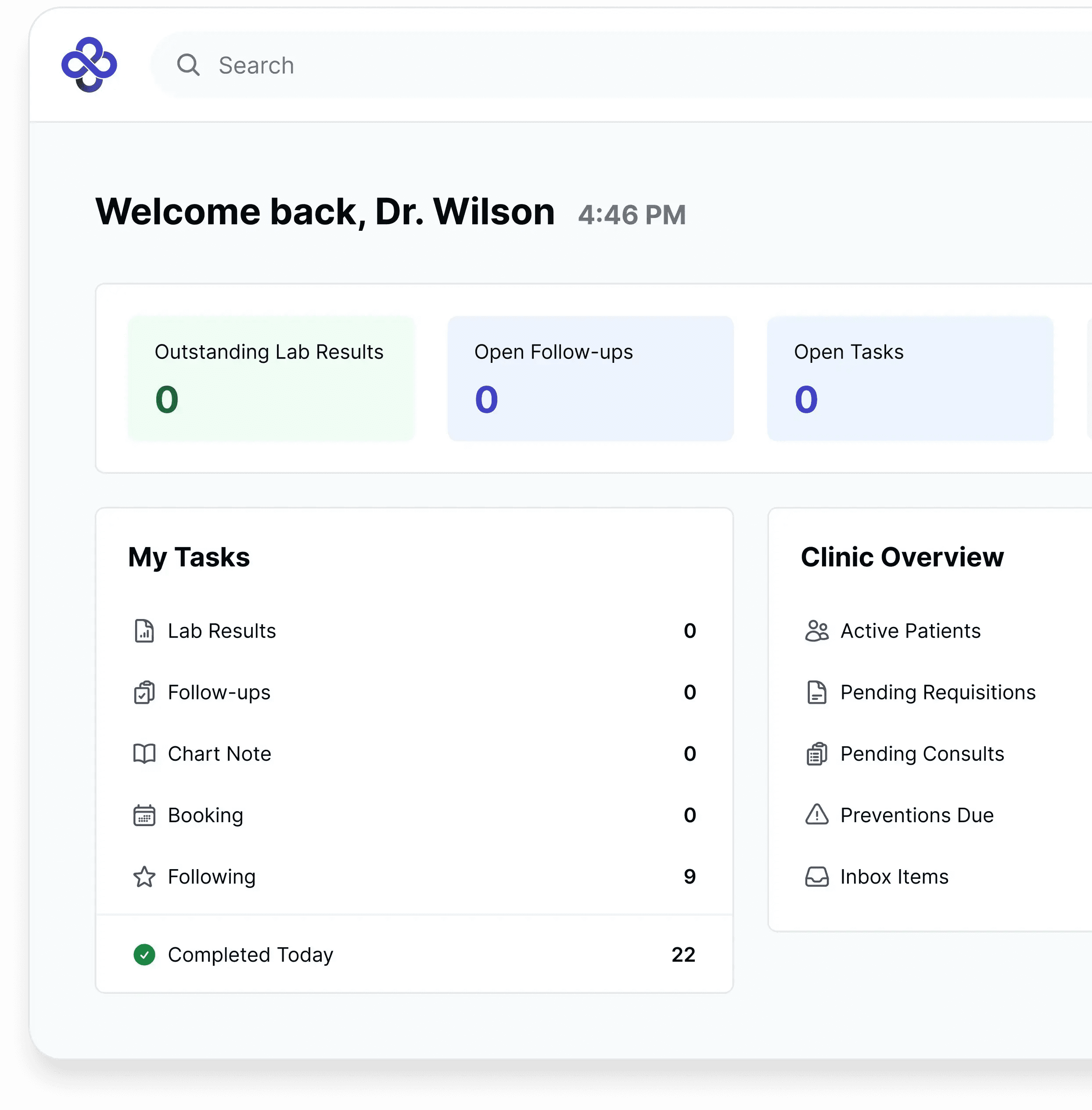
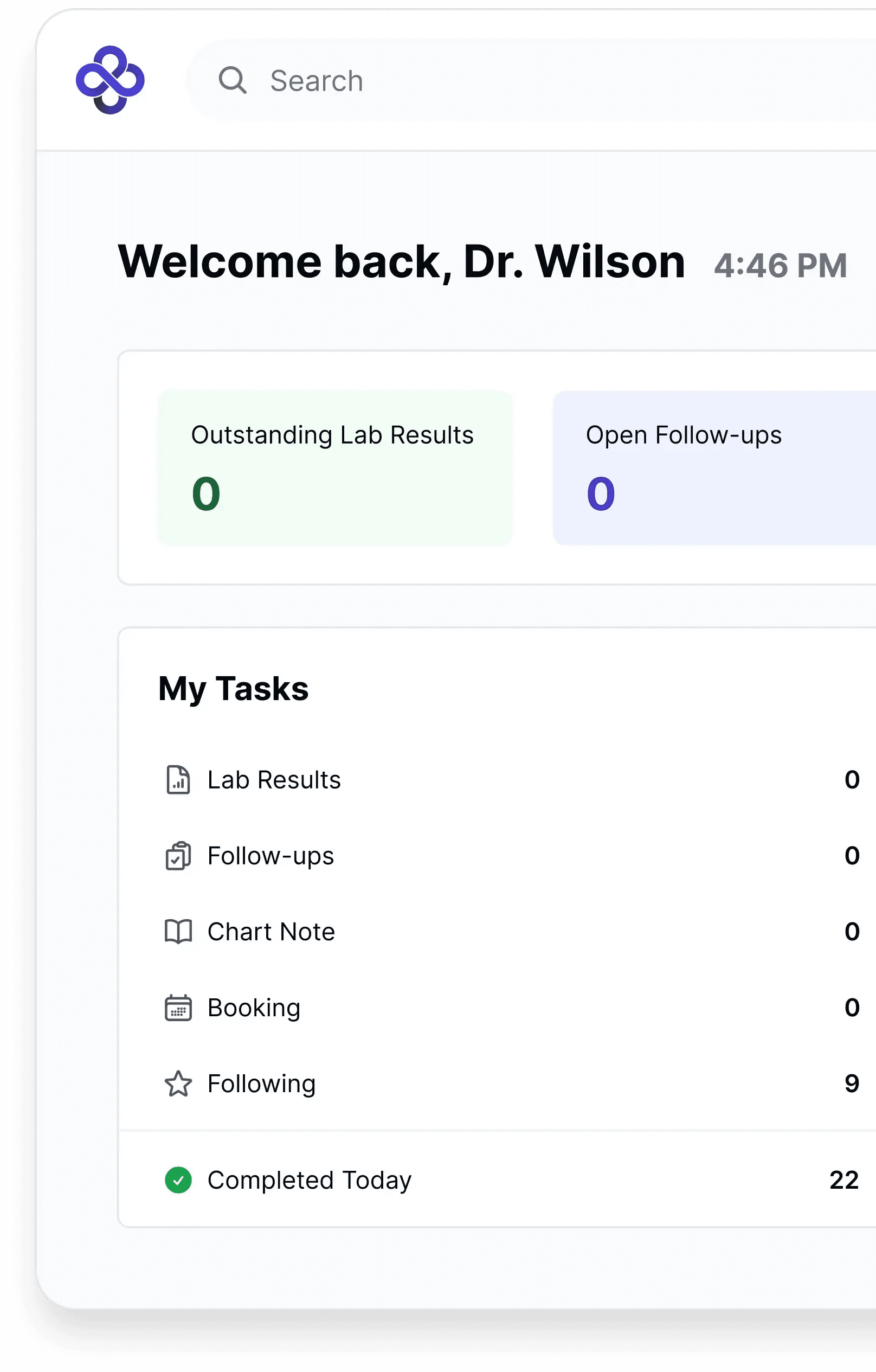
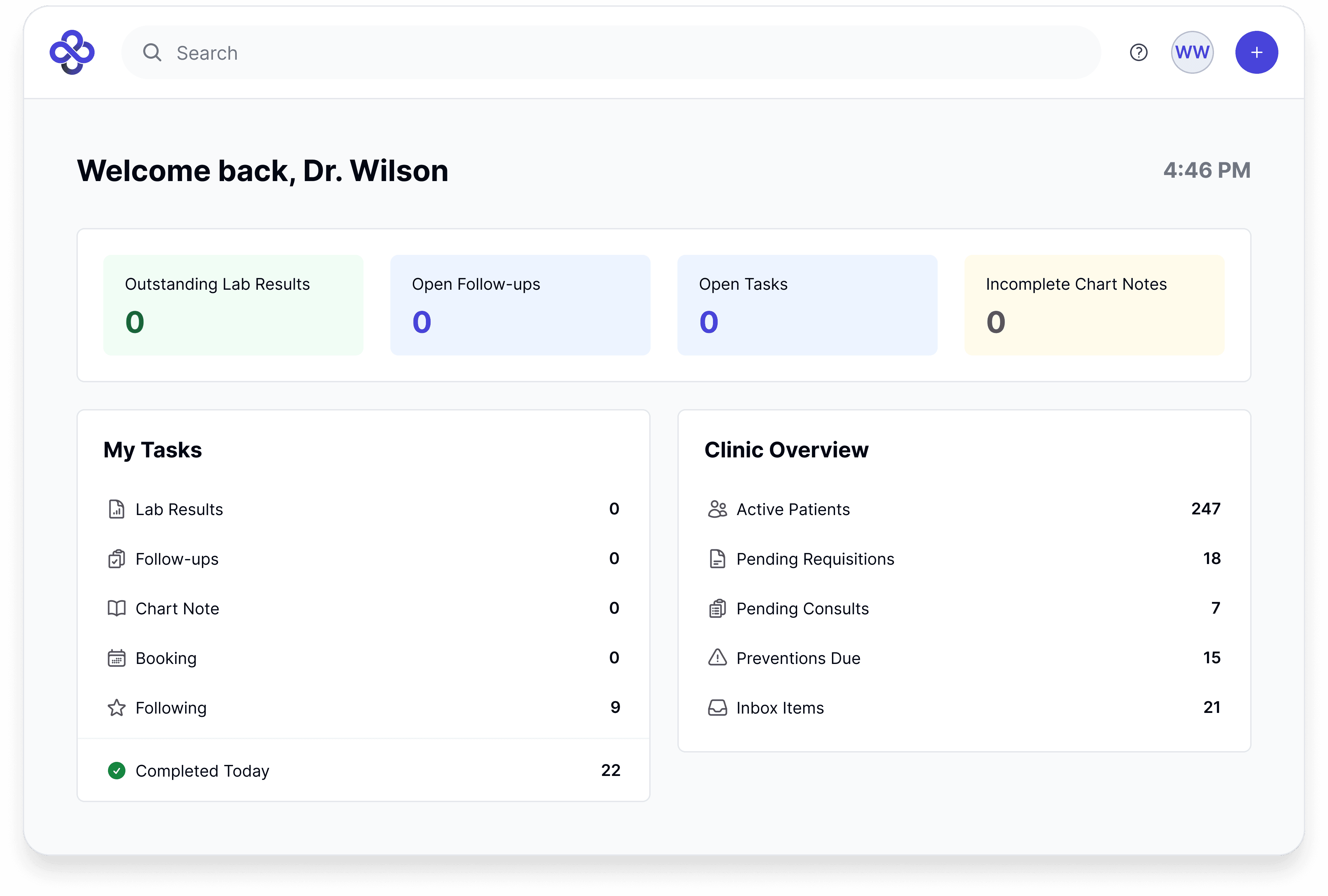
Stop chasing labs, referrals, and tasks across your clinic
Aeon brings everything that needs action into one place—so nothing slips through the cracks.
Aeon brings everything that needs action into one place—so nothing slips through the cracks.
Finish your day knowing nothing has been missed
Tasks, labs, and referrals stay linked—so you leave knowing every patient is covered.
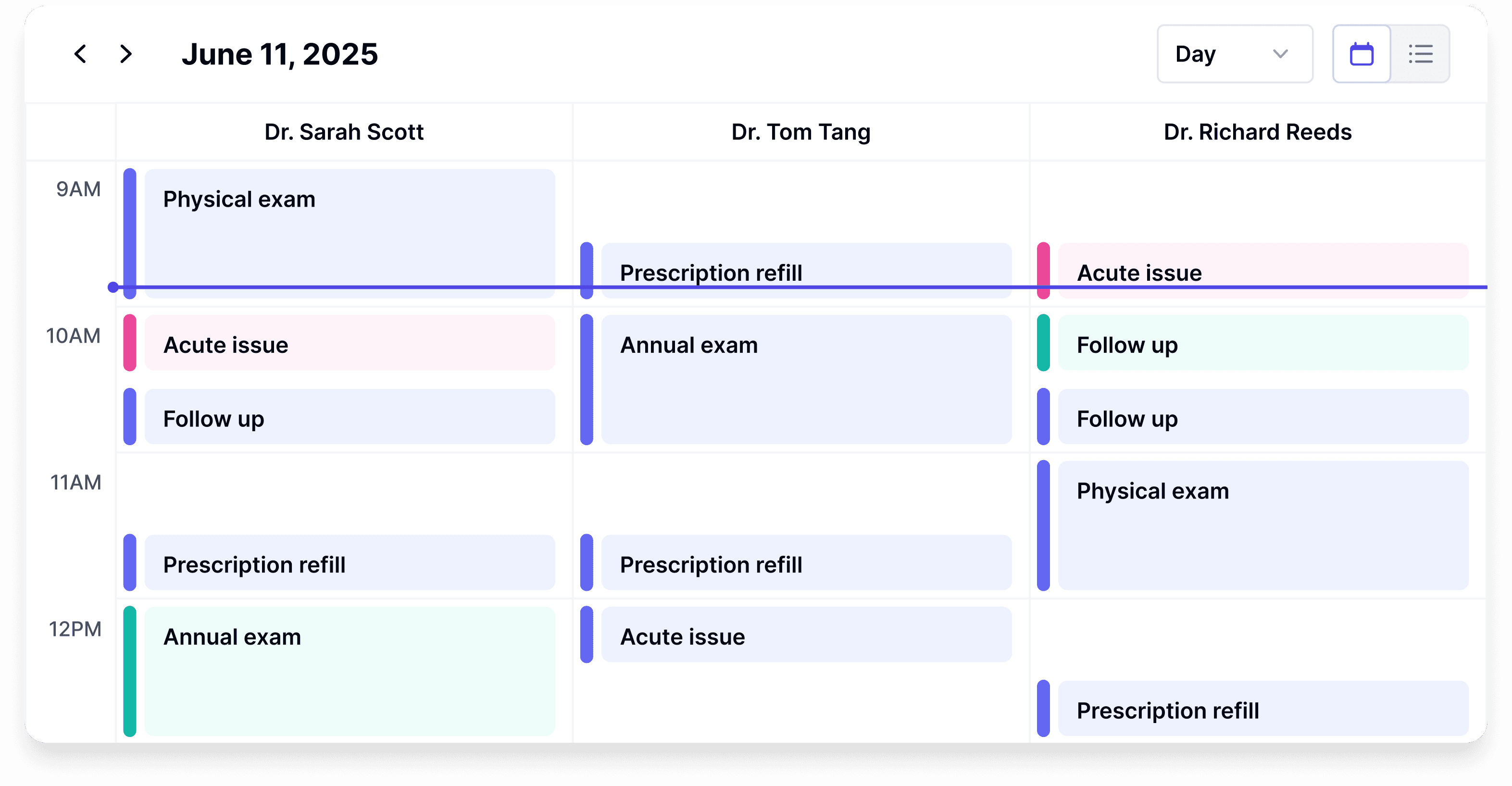
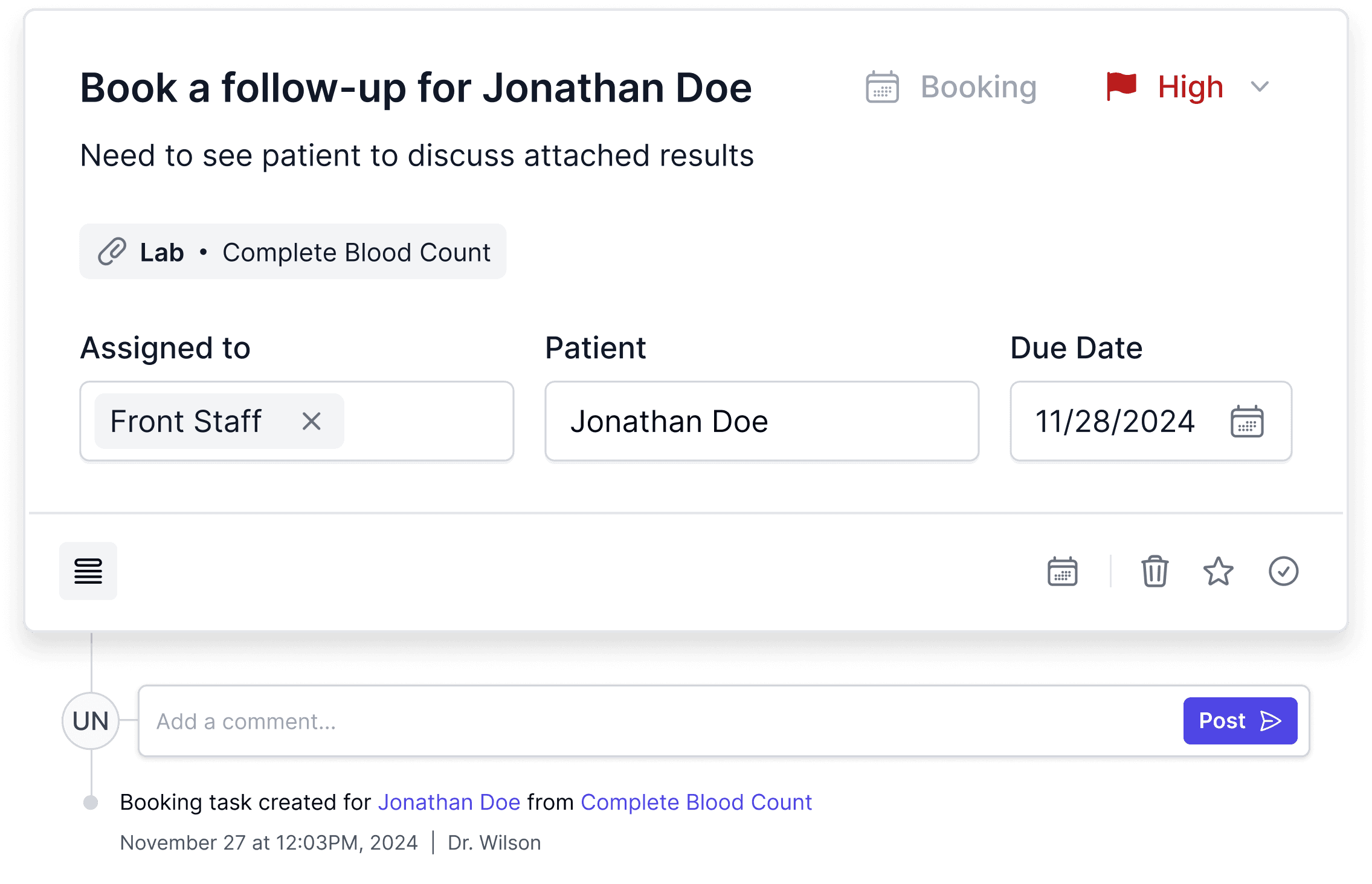
Your EMR stores data. Aeon tracks the work.
Every referral, result, and follow-up is tracked from start to finish—with a clear view of what’s outstanding. Complete the work -> task closed. Automatically
Built for how Canadian clinics actually operate
Built in Canada for Canadian primary care—not retrofitted from somewhere else.
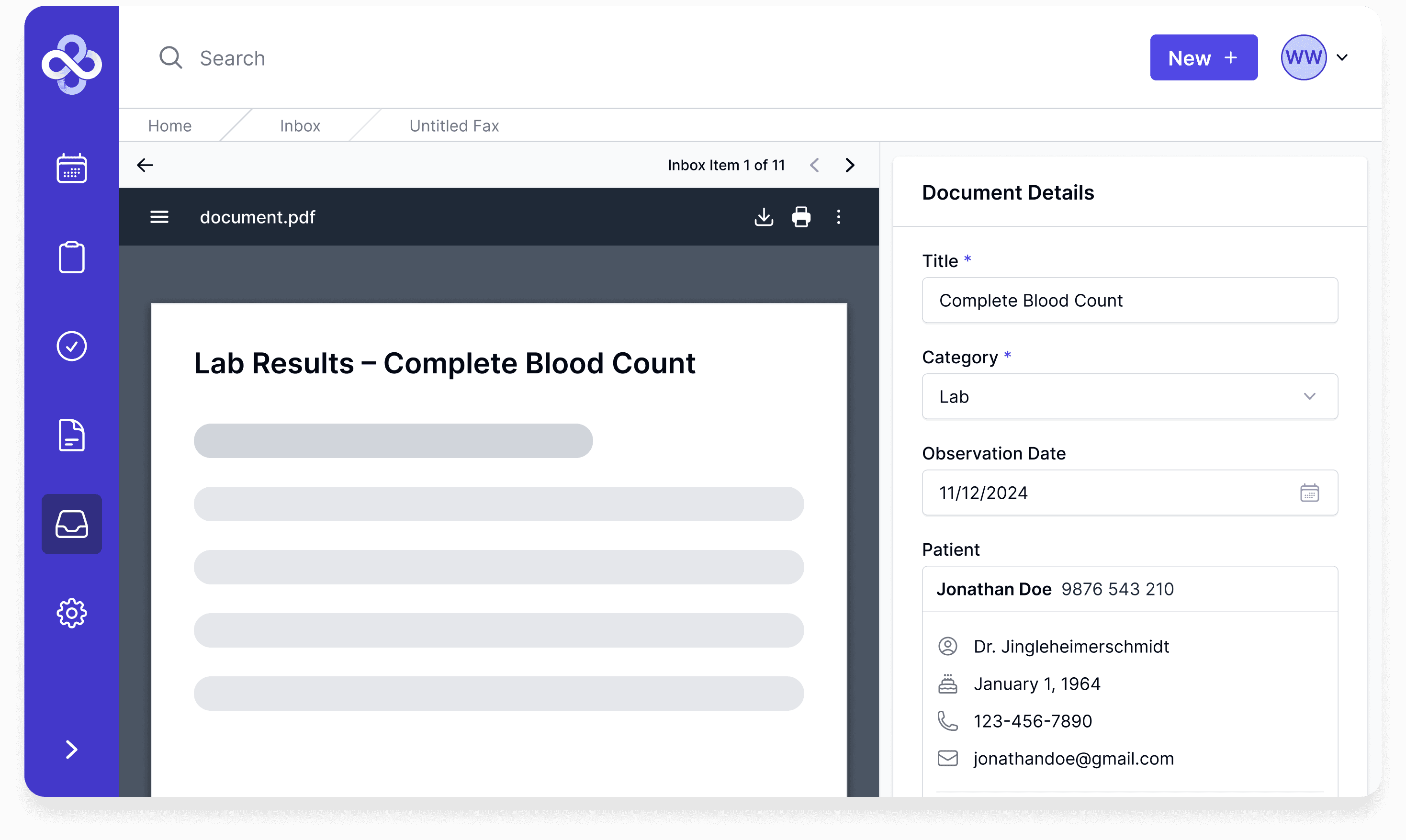
Workflows that match how your day actually unfolds
Everything is organized around what needs to happen next—not just what’s been recorded—so your day flows more naturally from patient to patient.
Built to meet Canadian privacy and security standards
Patient data is protected with industry-standard safeguards, including PIPEDA compliance and SOC 2 certification—so your clinic can operate with confidence.
Everything in one place—no patchwork systems
Scheduling, charting, billing, and documentation work together in one system—reducing the need to jump between tools or manually reconcile information.
A task system that ensures nothing slips through the cracks
Aeon helps you keep track of patient work that would otherwise be easy to miss—so you can leave the clinic knowing what’s been handled and what hasn’t.


Aeon just feels easier to use. Writing notes and working with PDFs is more straightforward, and getting around the system is much faster than what I’m used to with Oscar.
Dr. Ryan Kingan
Founder of Sapere Health
Guides, updates & ideas for modern clinics
Guides, updates & ideas for modern clinics
BLOG

When Waiting Becomes Someone’s Job
At 8:17 a.m., a referral is sent to a specialist.
By 10:40, the specialist’s office has replied. They need additional information before they can triage it. The request is forwarded to the physician.
Elsewhere in the clinic, a patient has been called twice about a result but has not answered. Bloodwork has been ordered for six weeks from now. A disability form is waiting for information from the patient’s employer. A consult note has arrived with a recommendation that depends on a test three months away.
None of this work is ready to move forward.
None of it is finished either.
The referral cannot proceed until the physician responds. The result cannot be discussed until the patient is reached. The bloodwork cannot be reviewed until it has been completed. The form cannot be signed until the missing information arrives. The recommendation in the consult note may require no action today, but someone still needs to know when today becomes too late.
This is a large part of primary care work: responsibility that has not ended, but cannot yet advance.
The work is waiting.
And once work begins waiting, someone in the clinic has to manage the wait.
The clinic is full of quiet work
Clinical systems tend to show activity. A result arrives. A message is received. A task is assigned. A document is filed.
Waiting is harder to see because nothing new may happen for days, weeks, or months.
The referral remains where it was yesterday. The patient has not returned the call. The lab has not posted a result. The insurer has not sent the requested information. The specialist’s office has not offered a date.
There may be no new event to record. But the clinic’s responsibility is still present.
The absence of new activity does not mean the absence of work. It may mean the work has entered a state that needs to be watched rather than acted on.
That distinction matters. A referral waiting four days for specialist triage may be progressing normally. The same referral after six weeks may have stalled. Bloodwork due next month does not need attention today. Bloodwork still missing two months after the intended date does.
From a distance, both situations look quiet.
The operational challenge is knowing what the silence means.
Not all waiting means the same thing
A referral waiting for a specialist to assign a consult date is different from one waiting because the clinic has not supplied the requested information.
A patient waiting to complete bloodwork is different from a result waiting for physician review. A form waiting for an employer’s details is different from a form sitting in a physician’s inbox. A message waiting for the patient to reply is different from a task waiting for an MOA to call again.
Each state carries a different next question.
What are we waiting for?
Who is expected to act?
When should the clinic look again?
How long is reasonable?
What would make the delay concerning?
A status such as pending may confirm that something is incomplete, but it rarely explains whether the waiting is appropriate. That meaning is often supplied by the person who understands the history.
The MOA knows the specialist’s office usually takes three weeks to triage a referral, but that no confirmation after five business days warrants a call. The physician remembers that the patient was meant to complete bloodwork six weeks after starting a medication. The clinic manager knows the insurer has already requested the same missing page twice.
The work may be paused, but the judgment around it is active.
When the system cannot hold waiting, people do
If a system cannot represent what work is waiting for, who owns it, and when it should be reviewed, that responsibility moves into people’s memory and routines.
It moves into the MOA’s awareness that a referral has been unusually quiet.
It moves into the physician’s habit of reopening a chart to see whether an expected result arrived.
It moves into the manager’s knowledge that a particular external office often needs a second fax before anything progresses.
No one formally decides that a specific MOA will remember the specialist requested an updated medication list. The responsibility simply stays with the person who saw the request, understood its significance, and knows the referral will not move without it.
No one assigns the physician the job of remembering that bloodwork is due six weeks from now. The date is too far away to act on today, but too important to lose.
Waiting becomes someone’s job without ever appearing in a job description, task list, or workload report.
The burden is not merely remembering that the item exists. It is preserving enough context to know what should happen next, and when.
The real question is: is this still normal?
There is no single moment when waiting automatically becomes a problem.
Someone has to interpret the silence.
A referral quiet for four days may be fine. At six weeks, the clinic may need to confirm whether it was received, whether it is still being triaged, or whether something is missing.
One unanswered patient call may be ordinary. Repeated missed calls about an important result may require a different approach.
Bloodwork due next month does not need action. Bloodwork absent two months after the intended date may need to be revisited.
A consult recommendation deliberately scheduled for later is different from one that was filed in the chart and never carried forward.
Staff are not only checking for new information. They are trying to answer a harder question: is this still normal?
Answering that requires context. When did the waiting begin? What was expected to happen? What time frame was reasonable? What attempts have already been made? Does the clinical significance change how long the clinic should wait?
This is the judgment hidden inside a routine instruction such as “check again.”
The check itself may take only a minute. Knowing when to check, what to look for, and what the absence of progress means is the actual work.
Healthy waiting and stalled work can look identical
Appropriate waiting and neglected work often appear the same because nothing new has happened.
A referral may be moving through an external office’s normal queue, or it may be missing a document no one realized was requested. A patient may be planning to complete bloodwork next week, or may have forgotten it entirely. A consult recommendation may be intentionally deferred until a future test, or may have been filed without the future step becoming visible.
The system may show the same quiet chart in every case.
This is what makes waiting operationally difficult. Silence does not reveal whether work is safe, overdue, stalled, or ready to become action.
Patients feel the gap when they call for an update and receive a vague answer because the clinic first has to reconstruct what happened. Was the referral received? Did the specialist ask for more information? Was that information sent? Is the referral still being triaged, or has it stopped moving?
MOAs become informal escalation systems. They learn which silence is ordinary, which offices need nudging, and which patient calls signal that something may no longer be progressing as expected.
Physicians reopen charts to reassure themselves that a result is still pending rather than missed, or that a future recommendation has not disappeared into the record.
Managers can see that work is open, but may not be able to distinguish a normal backlog from stalled work without asking around or inspecting items individually.
The result is not always a dramatic failure. More often, work becomes overdue without becoming visibly overdue. The clinic continues carrying it, but with less confidence about whether the wait is still appropriate.
Waiting is not the absence of work. In primary care, it is often a state of work that still needs ownership.
When no one owns the wait
Waiting becomes most fragile when no one is certain who is responsible for interpreting what happens next.
The specialist’s office is expected to send a consult date, but who checks if it does not?
The physician needs to answer a request for additional information, but who confirms that the referral moves afterward?
The consult note recommends repeating a test in three months, but who makes sure that future recommendation becomes active work at the right time?
When ownership is unclear, everyone may reasonably assume someone else is watching.
The physician may assume the referral remains with the MOA. The MOA may assume the physician will respond to the specialist’s request. The clinic may assume the external office will contact them if anything else is needed.
Nobody has abandoned the work. The responsibility has simply become diffuse.
That is when waiting becomes risky. Not because staff failed to care, but because no one can clearly see who is responsible for interpreting the silence.
Patient work should be able to wait without disappearing
Clinics do not only need systems that show what is new, urgent, or complete. They need systems that can distinguish work that is safely waiting from work that has stopped moving.
A referral going through normal specialist triage should be allowed to wait without demanding daily attention. But the clinic should still be able to see why it is waiting, who owns the next review, and when the silence becomes unusual.
Bloodwork planned for six weeks from now should not sit in someone’s immediate inbox for six weeks. But if the expected result never appears, the responsibility should return at the right time.
A form waiting for information from an insurer should not look the same as one waiting for the physician’s signature. A consult recommendation scheduled for later should remain connected to the future action it requires.
The goal is not to make every waiting item louder. It is to make waiting legible.
At Aeon, this is one of the standards we keep returning to: patient work should be able to wait without disappearing. A clinical system should help the clinic see what is waiting, who owns it, and when waiting needs to become action.
Primary care will always depend on things that do not happen immediately. Patients need time to complete tests. Specialists need time to review referrals. External offices need time to send records. Some recommendations properly belong to a future date.
Waiting cannot be removed from the work.
But the clinic should not have to keep every paused responsibility mentally active just to ensure it survives.
Someone is still watching, checking, interpreting, and deciding when waiting needs to become action. That work needs somewhere reliable to live.
A reliable clinical system should let work pause without making responsibility disappear.
When Waiting Becomes Someone’s Job
At 8:17 a.m., a referral is sent to a specialist.
By 10:40, the specialist’s office has replied. They need additional information before they can triage it. The request is forwarded to the physician.
Elsewhere in the clinic, a patient has been called twice about a result but has not answered. Bloodwork has been ordered for six weeks from now. A disability form is waiting for information from the patient’s employer. A consult note has arrived with a recommendation that depends on a test three months away.
None of this work is ready to move forward.
None of it is finished either.
The referral cannot proceed until the physician responds. The result cannot be discussed until the patient is reached. The bloodwork cannot be reviewed until it has been completed. The form cannot be signed until the missing information arrives. The recommendation in the consult note may require no action today, but someone still needs to know when today becomes too late.
This is a large part of primary care work: responsibility that has not ended, but cannot yet advance.
The work is waiting.
And once work begins waiting, someone in the clinic has to manage the wait.
The clinic is full of quiet work
Clinical systems tend to show activity. A result arrives. A message is received. A task is assigned. A document is filed.
Waiting is harder to see because nothing new may happen for days, weeks, or months.
The referral remains where it was yesterday. The patient has not returned the call. The lab has not posted a result. The insurer has not sent the requested information. The specialist’s office has not offered a date.
There may be no new event to record. But the clinic’s responsibility is still present.
The absence of new activity does not mean the absence of work. It may mean the work has entered a state that needs to be watched rather than acted on.
That distinction matters. A referral waiting four days for specialist triage may be progressing normally. The same referral after six weeks may have stalled. Bloodwork due next month does not need attention today. Bloodwork still missing two months after the intended date does.
From a distance, both situations look quiet.
The operational challenge is knowing what the silence means.
Not all waiting means the same thing
A referral waiting for a specialist to assign a consult date is different from one waiting because the clinic has not supplied the requested information.
A patient waiting to complete bloodwork is different from a result waiting for physician review. A form waiting for an employer’s details is different from a form sitting in a physician’s inbox. A message waiting for the patient to reply is different from a task waiting for an MOA to call again.
Each state carries a different next question.
What are we waiting for?
Who is expected to act?
When should the clinic look again?
How long is reasonable?
What would make the delay concerning?
A status such as pending may confirm that something is incomplete, but it rarely explains whether the waiting is appropriate. That meaning is often supplied by the person who understands the history.
The MOA knows the specialist’s office usually takes three weeks to triage a referral, but that no confirmation after five business days warrants a call. The physician remembers that the patient was meant to complete bloodwork six weeks after starting a medication. The clinic manager knows the insurer has already requested the same missing page twice.
The work may be paused, but the judgment around it is active.
When the system cannot hold waiting, people do
If a system cannot represent what work is waiting for, who owns it, and when it should be reviewed, that responsibility moves into people’s memory and routines.
It moves into the MOA’s awareness that a referral has been unusually quiet.
It moves into the physician’s habit of reopening a chart to see whether an expected result arrived.
It moves into the manager’s knowledge that a particular external office often needs a second fax before anything progresses.
No one formally decides that a specific MOA will remember the specialist requested an updated medication list. The responsibility simply stays with the person who saw the request, understood its significance, and knows the referral will not move without it.
No one assigns the physician the job of remembering that bloodwork is due six weeks from now. The date is too far away to act on today, but too important to lose.
Waiting becomes someone’s job without ever appearing in a job description, task list, or workload report.
The burden is not merely remembering that the item exists. It is preserving enough context to know what should happen next, and when.
The real question is: is this still normal?
There is no single moment when waiting automatically becomes a problem.
Someone has to interpret the silence.
A referral quiet for four days may be fine. At six weeks, the clinic may need to confirm whether it was received, whether it is still being triaged, or whether something is missing.
One unanswered patient call may be ordinary. Repeated missed calls about an important result may require a different approach.
Bloodwork due next month does not need action. Bloodwork absent two months after the intended date may need to be revisited.
A consult recommendation deliberately scheduled for later is different from one that was filed in the chart and never carried forward.
Staff are not only checking for new information. They are trying to answer a harder question: is this still normal?
Answering that requires context. When did the waiting begin? What was expected to happen? What time frame was reasonable? What attempts have already been made? Does the clinical significance change how long the clinic should wait?
This is the judgment hidden inside a routine instruction such as “check again.”
The check itself may take only a minute. Knowing when to check, what to look for, and what the absence of progress means is the actual work.
Healthy waiting and stalled work can look identical
Appropriate waiting and neglected work often appear the same because nothing new has happened.
A referral may be moving through an external office’s normal queue, or it may be missing a document no one realized was requested. A patient may be planning to complete bloodwork next week, or may have forgotten it entirely. A consult recommendation may be intentionally deferred until a future test, or may have been filed without the future step becoming visible.
The system may show the same quiet chart in every case.
This is what makes waiting operationally difficult. Silence does not reveal whether work is safe, overdue, stalled, or ready to become action.
Patients feel the gap when they call for an update and receive a vague answer because the clinic first has to reconstruct what happened. Was the referral received? Did the specialist ask for more information? Was that information sent? Is the referral still being triaged, or has it stopped moving?
MOAs become informal escalation systems. They learn which silence is ordinary, which offices need nudging, and which patient calls signal that something may no longer be progressing as expected.
Physicians reopen charts to reassure themselves that a result is still pending rather than missed, or that a future recommendation has not disappeared into the record.
Managers can see that work is open, but may not be able to distinguish a normal backlog from stalled work without asking around or inspecting items individually.
The result is not always a dramatic failure. More often, work becomes overdue without becoming visibly overdue. The clinic continues carrying it, but with less confidence about whether the wait is still appropriate.
Waiting is not the absence of work. In primary care, it is often a state of work that still needs ownership.
When no one owns the wait
Waiting becomes most fragile when no one is certain who is responsible for interpreting what happens next.
The specialist’s office is expected to send a consult date, but who checks if it does not?
The physician needs to answer a request for additional information, but who confirms that the referral moves afterward?
The consult note recommends repeating a test in three months, but who makes sure that future recommendation becomes active work at the right time?
When ownership is unclear, everyone may reasonably assume someone else is watching.
The physician may assume the referral remains with the MOA. The MOA may assume the physician will respond to the specialist’s request. The clinic may assume the external office will contact them if anything else is needed.
Nobody has abandoned the work. The responsibility has simply become diffuse.
That is when waiting becomes risky. Not because staff failed to care, but because no one can clearly see who is responsible for interpreting the silence.
Patient work should be able to wait without disappearing
Clinics do not only need systems that show what is new, urgent, or complete. They need systems that can distinguish work that is safely waiting from work that has stopped moving.
A referral going through normal specialist triage should be allowed to wait without demanding daily attention. But the clinic should still be able to see why it is waiting, who owns the next review, and when the silence becomes unusual.
Bloodwork planned for six weeks from now should not sit in someone’s immediate inbox for six weeks. But if the expected result never appears, the responsibility should return at the right time.
A form waiting for information from an insurer should not look the same as one waiting for the physician’s signature. A consult recommendation scheduled for later should remain connected to the future action it requires.
The goal is not to make every waiting item louder. It is to make waiting legible.
At Aeon, this is one of the standards we keep returning to: patient work should be able to wait without disappearing. A clinical system should help the clinic see what is waiting, who owns it, and when waiting needs to become action.
Primary care will always depend on things that do not happen immediately. Patients need time to complete tests. Specialists need time to review referrals. External offices need time to send records. Some recommendations properly belong to a future date.
Waiting cannot be removed from the work.
But the clinic should not have to keep every paused responsibility mentally active just to ensure it survives.
Someone is still watching, checking, interpreting, and deciding when waiting needs to become action. That work needs somewhere reliable to live.
A reliable clinical system should let work pause without making responsibility disappear.
When Waiting Becomes Someone’s Job
At 8:17 a.m., a referral is sent to a specialist.
By 10:40, the specialist’s office has replied. They need additional information before they can triage it. The request is forwarded to the physician.
Elsewhere in the clinic, a patient has been called twice about a result but has not answered. Bloodwork has been ordered for six weeks from now. A disability form is waiting for information from the patient’s employer. A consult note has arrived with a recommendation that depends on a test three months away.
None of this work is ready to move forward.
None of it is finished either.
The referral cannot proceed until the physician responds. The result cannot be discussed until the patient is reached. The bloodwork cannot be reviewed until it has been completed. The form cannot be signed until the missing information arrives. The recommendation in the consult note may require no action today, but someone still needs to know when today becomes too late.
This is a large part of primary care work: responsibility that has not ended, but cannot yet advance.
The work is waiting.
And once work begins waiting, someone in the clinic has to manage the wait.
The clinic is full of quiet work
Clinical systems tend to show activity. A result arrives. A message is received. A task is assigned. A document is filed.
Waiting is harder to see because nothing new may happen for days, weeks, or months.
The referral remains where it was yesterday. The patient has not returned the call. The lab has not posted a result. The insurer has not sent the requested information. The specialist’s office has not offered a date.
There may be no new event to record. But the clinic’s responsibility is still present.
The absence of new activity does not mean the absence of work. It may mean the work has entered a state that needs to be watched rather than acted on.
That distinction matters. A referral waiting four days for specialist triage may be progressing normally. The same referral after six weeks may have stalled. Bloodwork due next month does not need attention today. Bloodwork still missing two months after the intended date does.
From a distance, both situations look quiet.
The operational challenge is knowing what the silence means.
Not all waiting means the same thing
A referral waiting for a specialist to assign a consult date is different from one waiting because the clinic has not supplied the requested information.
A patient waiting to complete bloodwork is different from a result waiting for physician review. A form waiting for an employer’s details is different from a form sitting in a physician’s inbox. A message waiting for the patient to reply is different from a task waiting for an MOA to call again.
Each state carries a different next question.
What are we waiting for?
Who is expected to act?
When should the clinic look again?
How long is reasonable?
What would make the delay concerning?
A status such as pending may confirm that something is incomplete, but it rarely explains whether the waiting is appropriate. That meaning is often supplied by the person who understands the history.
The MOA knows the specialist’s office usually takes three weeks to triage a referral, but that no confirmation after five business days warrants a call. The physician remembers that the patient was meant to complete bloodwork six weeks after starting a medication. The clinic manager knows the insurer has already requested the same missing page twice.
The work may be paused, but the judgment around it is active.
When the system cannot hold waiting, people do
If a system cannot represent what work is waiting for, who owns it, and when it should be reviewed, that responsibility moves into people’s memory and routines.
It moves into the MOA’s awareness that a referral has been unusually quiet.
It moves into the physician’s habit of reopening a chart to see whether an expected result arrived.
It moves into the manager’s knowledge that a particular external office often needs a second fax before anything progresses.
No one formally decides that a specific MOA will remember the specialist requested an updated medication list. The responsibility simply stays with the person who saw the request, understood its significance, and knows the referral will not move without it.
No one assigns the physician the job of remembering that bloodwork is due six weeks from now. The date is too far away to act on today, but too important to lose.
Waiting becomes someone’s job without ever appearing in a job description, task list, or workload report.
The burden is not merely remembering that the item exists. It is preserving enough context to know what should happen next, and when.
The real question is: is this still normal?
There is no single moment when waiting automatically becomes a problem.
Someone has to interpret the silence.
A referral quiet for four days may be fine. At six weeks, the clinic may need to confirm whether it was received, whether it is still being triaged, or whether something is missing.
One unanswered patient call may be ordinary. Repeated missed calls about an important result may require a different approach.
Bloodwork due next month does not need action. Bloodwork absent two months after the intended date may need to be revisited.
A consult recommendation deliberately scheduled for later is different from one that was filed in the chart and never carried forward.
Staff are not only checking for new information. They are trying to answer a harder question: is this still normal?
Answering that requires context. When did the waiting begin? What was expected to happen? What time frame was reasonable? What attempts have already been made? Does the clinical significance change how long the clinic should wait?
This is the judgment hidden inside a routine instruction such as “check again.”
The check itself may take only a minute. Knowing when to check, what to look for, and what the absence of progress means is the actual work.
Healthy waiting and stalled work can look identical
Appropriate waiting and neglected work often appear the same because nothing new has happened.
A referral may be moving through an external office’s normal queue, or it may be missing a document no one realized was requested. A patient may be planning to complete bloodwork next week, or may have forgotten it entirely. A consult recommendation may be intentionally deferred until a future test, or may have been filed without the future step becoming visible.
The system may show the same quiet chart in every case.
This is what makes waiting operationally difficult. Silence does not reveal whether work is safe, overdue, stalled, or ready to become action.
Patients feel the gap when they call for an update and receive a vague answer because the clinic first has to reconstruct what happened. Was the referral received? Did the specialist ask for more information? Was that information sent? Is the referral still being triaged, or has it stopped moving?
MOAs become informal escalation systems. They learn which silence is ordinary, which offices need nudging, and which patient calls signal that something may no longer be progressing as expected.
Physicians reopen charts to reassure themselves that a result is still pending rather than missed, or that a future recommendation has not disappeared into the record.
Managers can see that work is open, but may not be able to distinguish a normal backlog from stalled work without asking around or inspecting items individually.
The result is not always a dramatic failure. More often, work becomes overdue without becoming visibly overdue. The clinic continues carrying it, but with less confidence about whether the wait is still appropriate.
Waiting is not the absence of work. In primary care, it is often a state of work that still needs ownership.
When no one owns the wait
Waiting becomes most fragile when no one is certain who is responsible for interpreting what happens next.
The specialist’s office is expected to send a consult date, but who checks if it does not?
The physician needs to answer a request for additional information, but who confirms that the referral moves afterward?
The consult note recommends repeating a test in three months, but who makes sure that future recommendation becomes active work at the right time?
When ownership is unclear, everyone may reasonably assume someone else is watching.
The physician may assume the referral remains with the MOA. The MOA may assume the physician will respond to the specialist’s request. The clinic may assume the external office will contact them if anything else is needed.
Nobody has abandoned the work. The responsibility has simply become diffuse.
That is when waiting becomes risky. Not because staff failed to care, but because no one can clearly see who is responsible for interpreting the silence.
Patient work should be able to wait without disappearing
Clinics do not only need systems that show what is new, urgent, or complete. They need systems that can distinguish work that is safely waiting from work that has stopped moving.
A referral going through normal specialist triage should be allowed to wait without demanding daily attention. But the clinic should still be able to see why it is waiting, who owns the next review, and when the silence becomes unusual.
Bloodwork planned for six weeks from now should not sit in someone’s immediate inbox for six weeks. But if the expected result never appears, the responsibility should return at the right time.
A form waiting for information from an insurer should not look the same as one waiting for the physician’s signature. A consult recommendation scheduled for later should remain connected to the future action it requires.
The goal is not to make every waiting item louder. It is to make waiting legible.
At Aeon, this is one of the standards we keep returning to: patient work should be able to wait without disappearing. A clinical system should help the clinic see what is waiting, who owns it, and when waiting needs to become action.
Primary care will always depend on things that do not happen immediately. Patients need time to complete tests. Specialists need time to review referrals. External offices need time to send records. Some recommendations properly belong to a future date.
Waiting cannot be removed from the work.
But the clinic should not have to keep every paused responsibility mentally active just to ensure it survives.
Someone is still watching, checking, interpreting, and deciding when waiting needs to become action. That work needs somewhere reliable to live.
A reliable clinical system should let work pause without making responsibility disappear.
View all posts
HEALING HEALTHCARE PODCAST

Preventative Medicine, AI, and the Future of Personalized Care
In this episode of Healing Healthcare, Rian Gauvreau and Ryan Oakman sit down with Dr. Ryan Kingan, a primary care physician and founder of Sapere Health.
Ryan shares his perspective on why primary care is becoming more complex, how AI is already changing clinical work, and why better technology should support doctors rather than replace them.
The conversation explores preventative medicine, patient access to health data, administrative burden, personalized care, and what it means to practice medicine in a world where patients are living longer, treatments are more sophisticated, and information is easier to access than ever.
In this episode:
Why primary care is getting more complex
Where AI is helping clinicians today
The limits of automation in medicine
Preventative testing and patient access to biomarkers
Personalized medicine and the future of care
How doctors navigate uncertainty with patients
View all episodes
MIGRATION & ONBOARDING
Switching EMRs is hard. That's exactly why we don't make you do it alone.
Switching EMRs is hard. That's exactly why we don't make you do it alone.
From data migration to onboarding, we help you plan your EMR transition without disrupting patient care.
From data migration to onboarding, we help you plan your EMR transition without disrupting patient care.
Your clinic data, your choice
Your clinic data, your choice
No vendor lock or predatory data practices.
Support as a pillar
Best in class support, included with all plans.
Migration you can count on
Migration you can count on
High clinical data integrity, low stress.